

We Were Electricians First: The Electrical Issues That Kill Deals (and the Ones That Don’t)

Most home inspectors can identify electrical issues. But not all of them truly understand what they’re looking at.
We do - because we were electricians first. And that matters more than most people realize… especially when a deal is on the line.
Why Electrical Issues Carry So Much Weight
Electrical findings hit differently in an inspection report.
They feel:
Dangerous
Expensive
Unpredictable
To a buyer, an electrical defect doesn’t sound like a fix - it sounds like a risk.
That’s why these issues can escalate quickly, even when they shouldn’t. In our experience, electrical issues create some of the strongest reactions from buyers - not because they’re always the most expensive, but because they’re the least understood.
The Electrical Issues That Actually Kill Deals
Not all defects are equal. These are the ones that tend to raise real concerns for good reason:
Outdated or Problematic Panels
Federal Pacific and Zinsco panels are known risks. These aren’t “monitor it” situations, they’re often replace-now conversations.

What’s the Harm?
These panels are KNOWN to have faulty breakers that won’t trip when they should. When they get stuck, they cause the circuit to overheat. This is not only a potential fire hazard, but can sometimes melt breakers to the bus bar, even allowing power to flow even when they are shut off. Neither panel was ever formally outlawed, but they lost their safety listing.
Yes. A whole new panel will need to be installed, and prices are based on home size and the homeowner’s electrical needs (think $5k +).
Double-Tapped Breakers
Two wires under one breaker that’s only rated for one. Is this common? Yes. Is it still a safety concern? Also, yes.

What’s the Harm?
While it may seem harmless, the issue is that most breakers aren’t built to securely hold two conductors, which can lead to loose connections over time. Loose connections create resistance, and resistance creates heat - one of the leading causes of electrical failures and potential fire hazards. In some cases, this can also cause arcing or prevent the breaker from functioning as intended. It’s worth noting that a few breakers are rated for two wires, but most are not.
Is it expensive to fix?
This is typically a straightforward fix. Usually the cost of a service call. But it’s taken seriously because of the safety risk if left unaddressed.
Not inherently unsafe - but it requires proper evaluation and potential mitigation. Buyers (and insurers) don’t love it.

What’s the Harm?
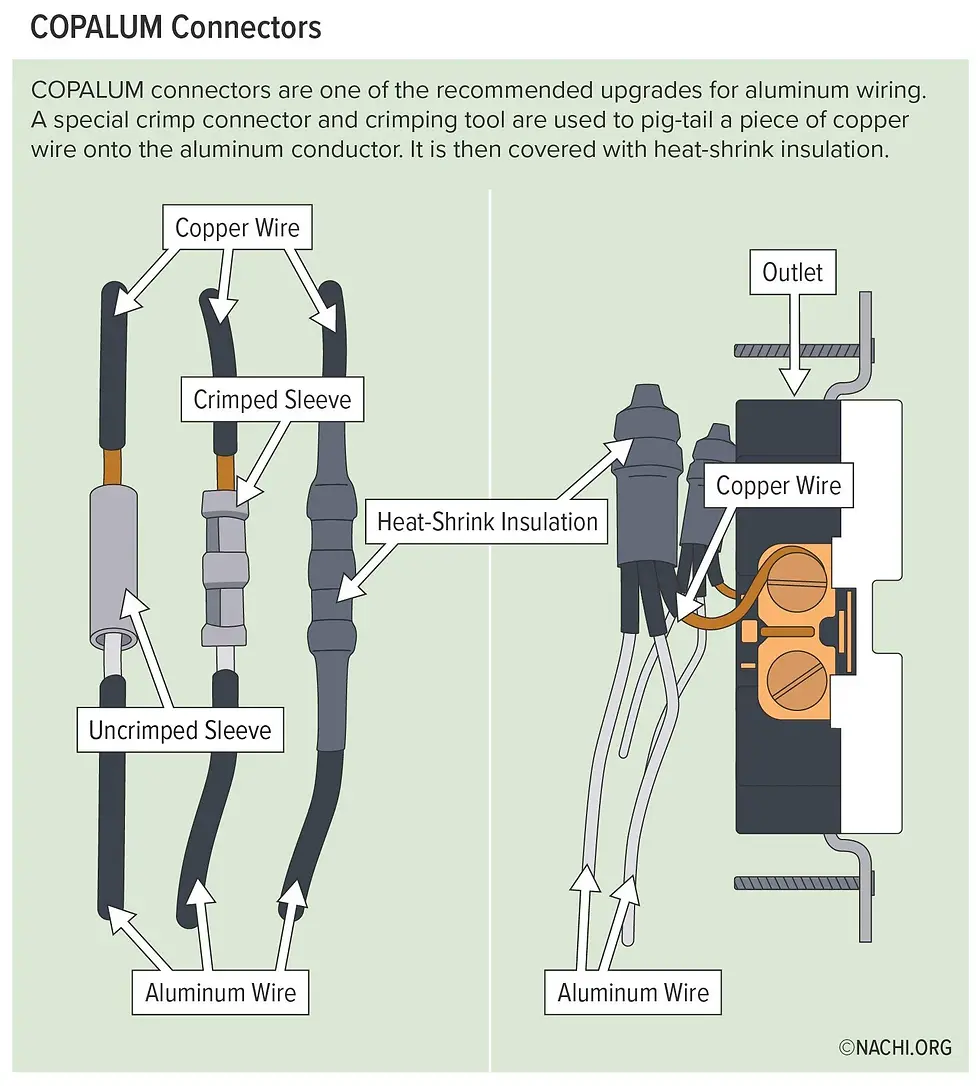
It expands and contracts more than copper with heat, which can cause connections to loosen, and it’s also more susceptible to oxidation - both of which increase resistance. Just like with double taps, resistance creates heat, and heat can lead to overheating or even fire risk. Because of this, aluminum wiring requires specific connectors and proper installation to be considered safe.
Is it expensive to fix?
Potentially, yes. The whole house may need to be re-wired.
Improper Grounding/Bonding
This is foundational to electrical safety.When it’s wrong, it’s not cosmetic - it’s system-level risk.

What’s the Harm?
Grounding provides a safe path for stray electricity, while bonding ensures all metal components are connected so they carry the same electrical potential. When this isn’t done correctly, excess electricity has nowhere reliable to go - which can lead to shock hazards, unpredictable system behavior, or even increased fire risk. It’s not just a technical issue, it’s a fundamental safety concern that affects the entire system.
Is it expensive to fix?
It depends. How extensive the problem is can factor in, but sometimes just adding GFCI breakers can resolve it.
The Issues That Look Scary (But Usually Aren’t)
Here’s where deals often get unnecessarily shaky. These come up all the time—and are typically straightforward fixes:
Missing or outdated GFCIs
Loose outlets or switches
Minor code updates
Unlabeled panels
Important? Yes. Deal killers? Rarely. (or shouldn’t be!)
The Difference: Knowing vs. Understanding
The reality is, anyone can call out an electrical defect.
But understanding:
How serious it is
What it actually means
What it takes to fix
- that’s a different level of expertise. That’s where our background as electricians comes in. We’re not just checking boxes. We’re interpreting the system as a whole and helping you and your clients make sense of it.
What This Means for You (and Your Deals)
When electrical issues come up, you need more than a report. You need clarity.
Working with an inspector who understands electrical systems at a deeper level means:
Fewer surprises
More confident buyers
Cleaner, calmer negotiations
And ultimately… more deals that make it to the closing table.
Final Thought
While there isn’t a single defect category buyers fear most, data shows that over 70% of failed real estate transactions are tied to inspection issues - and electrical problems are among the most impactful because they’re tied directly to safety. Buyers don’t usually walk away over loose outlets. They walk away when something feels unsafe. Electrical issues almost always trigger that reaction.
Electrical issues will always be part of home inspections. The difference is whether they create confusion and fear… or clarity and confidence. That comes down to who’s doing the inspection. Trust Arrow to help your buyers navigate electrical issues with ease and clarity!
READ MORE HERE:


Comments